

In the highly competitive manufacturing industry, SAP solutions provide essential tools for businesses to stay ahead. They facilitate seamless integration across various business functions and help manufacturing companies optimize production workflows, enhance supply chain coordination, and boost overall operational effectiveness. Additionally, by utilizing real-time data and advanced analytics, manufacturers can make informed decisions, quickly respond to market changes, and ultimately increase profitability.
SAP solutions for Manufacturing Industry
SAP S/4HANA provides manufacturing companies with a modern and integrated ERP solution that offers real-time insights and enhanced agility, simplifying business processes within the organization. By leveraging in-memory computing, SAP S/4HANA enables faster data processing, allowing manufacturers to make decisions based on reliable data and quickly adapt to changing market dynamics. Additionally, SAP S/4HANA's advanced analytics capabilities help to enhance production, manage inventory effectively, and streamline supply chain operations—which helps increase efficiency, lower production costs, and boost overall profitability.
SAP Materials Management (MM)
This module of the SAP ERP solution helps companies streamline procurement and inventory management processes, ensuring timely availability of materials and reducing stock shortages. By automating routine tasks, SAP MM enhances operational efficiency and reduces manual errors. It provides real-time insights into material movements and inventory levels, facilitating better decision-making and cost control.
SAP Plant Maintenance (PM)
This SAP ERP module helps manufacturers enhance equipment reliability and uptime through effective maintenance strategies. It allows for proactive maintenance planning, reducing unexpected equipment failures and production downtime. It also offers comprehensive tracking of maintenance activities, ensuring compliance with safety and regulatory standards. And there's even more: SAP PM optimizes resource allocation by scheduling maintenance tasks based on priority and availability.
SAP Production Planning (PP)
The module enables precise demand forecasting and material requirement planning, ensuring the timely availability of necessary resources. The module integrates seamlessly with other SAP components, facilitating smooth coordination across various departments (like procurement, inventory, and sales). SAP PP also supports detailed production monitoring and real-time reporting, allowing quick adjustments to improve productivity and reduce waste. Ultimately, it helps manufacturers achieve higher operational efficiency and cost-effectiveness.
SAP Quality Management (QM)
This module ensures the integration of quality control processes throughout the manufacturing lifecycle, thus enhancing product quality and compliance. It facilitates systematic inspection planning, ensuring defects are identified and addressed early. SAP QM automates quality checks and documentation, reducing manual effort and minimizing errors. The module provides real-time analytics and reporting, enabling data-driven decisions to improve quality standards.
SAP Extended Warehouse Management (EWM)
This solution enhances warehouse efficiency by streamlining and automating processes (like inventory management, picking, packing, and shipping). This approach leads to reduced operational costs and improved accuracy in order fulfillment. SAP EWM provides real-time visibility into warehouse operations, enabling better decision-making and increased agility in responding to market demands. Additionally, it supports seamless integration with other SAP modules, ensuring a unified and efficient supply chain management system.
SAP SuccessFactors enables manufacturing companies to attract, develop, and retain top talent. It aligns employee performance with business goals, boosts workforce productivity, and cultivates a culture of innovation and collaboration, helping businesses stay competitive in the labor market for years to come.
Benefits of SAP for the Manufacturing Industry
-
Improved operational efficiency
SAP solutions enable manufacturing companies to streamline business processes, reduce manual effort, and optimize resource utilization, improving operational efficiency and cost savings. For example, SAP S/4HANA's real-time data processing and analytics help identify bottlenecks and inefficiencies in production, allowing for timely corrective actions.
-
Enhanced decision-making
Manufacturers can make data-driven decisions with SAP's advanced analytics and real-time insights. For instance, predictive analytics capabilities allow companies to anticipate demand fluctuations and adjust their production plans accordingly, ensuring optimal inventory levels and reducing waste.
-
Increased agility and responsiveness
With real-time processing capabilities, manufacturing companies gain tools to promptly adapt to changing market and customer demands – ensuring that they stay competitive and responsive to market trends.
-
Higher product quality
By monitoring and controlling production processes, SAP solutions help companies ensure consistent product quality. Eventually, they allow manufacturing companies to reduce production defects, rework costs, and increase customer satisfaction.
-
Better supply chain management
SAP products help improve supply chain operations by providing end-to-end visibility and enabling better coordination with suppliers. With these capabilities, manufacturers can reduce lead times, lower inventory costs, and enhance supply chain resilience.
-
Regulatory compliance
SAP solutions help manufacturing companies adhere to industry regulations and standards. Eventually, they can minimize the risk of non-compliance and potential penalties.
-
Effective employee management
SAP's human capital management tools empower companies to attract top talent, build professional and efficient teams, foster employee loyalty, and maintain a competitive edge.
Why choose ACBaltica?
For over two decades, we've been working with SAP products only – and we have practical experience with all main SAP modules, including those implemented for the manufacturing industry.
- 20+ years of experience. We know all the versions of SAP software since the early 2000s – and we already implemented them in dozens of industries, including manufacturing.
- Knowledge of all versions of major SAP products. We can help you customize and support your existing SAP solution or integrate it with other systems and applications – no matter the version.
- In-depth expertise. With our knowledge of all major SAP products and experience in different industries, we can suggest the best possible solution regarding timing and resources.
- Flexible and agile team. Whatever service you buy from ACBaltica, rest assured that we have a unique approach for every business we work with, whether an SME or a large enterprise.
- Competitive price-quality ratio. Thanks to our delivery center in Eastern Europe, we can provide a brilliant combo: competitive prices and exceptional quality.
To verify that ACBaltica is an experienced and reliable partner, take a look at the success stories shared by our clients from the Manufacturing industry:
View all


Corporate solution rollout for the rail vehicle manufacturer
When Stadler set out to align its branch with the company’s global SAP landscape, the challenge was far more than a simple rollout — it required local adaptation, seamless integration, and close collaboration across multiple countries. This case study shows how ACBaltica and Innflow made it happen, boosting efficiency and ensuring compliance without compromising on performance.


SAP BW Data Integration for a Global Pharmaceutical Manufacturer
ACBaltica helped a global pharmaceutical manufacturer to build a reliable, structured, and scalable data integration layer in SAP BW to improve supply chain visibility across multiple production sites and countries.


Global SAP S/4HANA Integration Rollout Across Several Countries
ACBaltica supported a global medical technology company in a complex SAP transformation program as it moved from ECC to SAP S/4HANA Private Cloud.
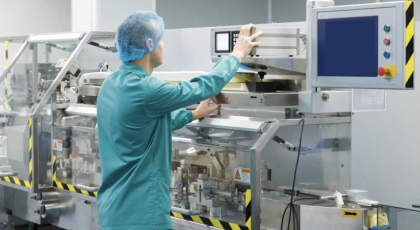

SAC-based project planning and reporting system for a healthcare manufacturer
Thanks to the solution, built on SAP Analytics Cloud, SAP BW on HANA, and SAP ERP, the customer replaced outdated Excel-based processes with automated planning, reporting, and simulation tools.Today, the company manages its global portfolio with much greater transparency, accuracy, and speed.
Have more questions? Contact us!
USA:
+1 332 239-4557
Europe:
+370 6 610-23-92