

A global life sciences company launched a new high-automation warehouse in the Netherlands to support packaging and distribution across multiple countries.
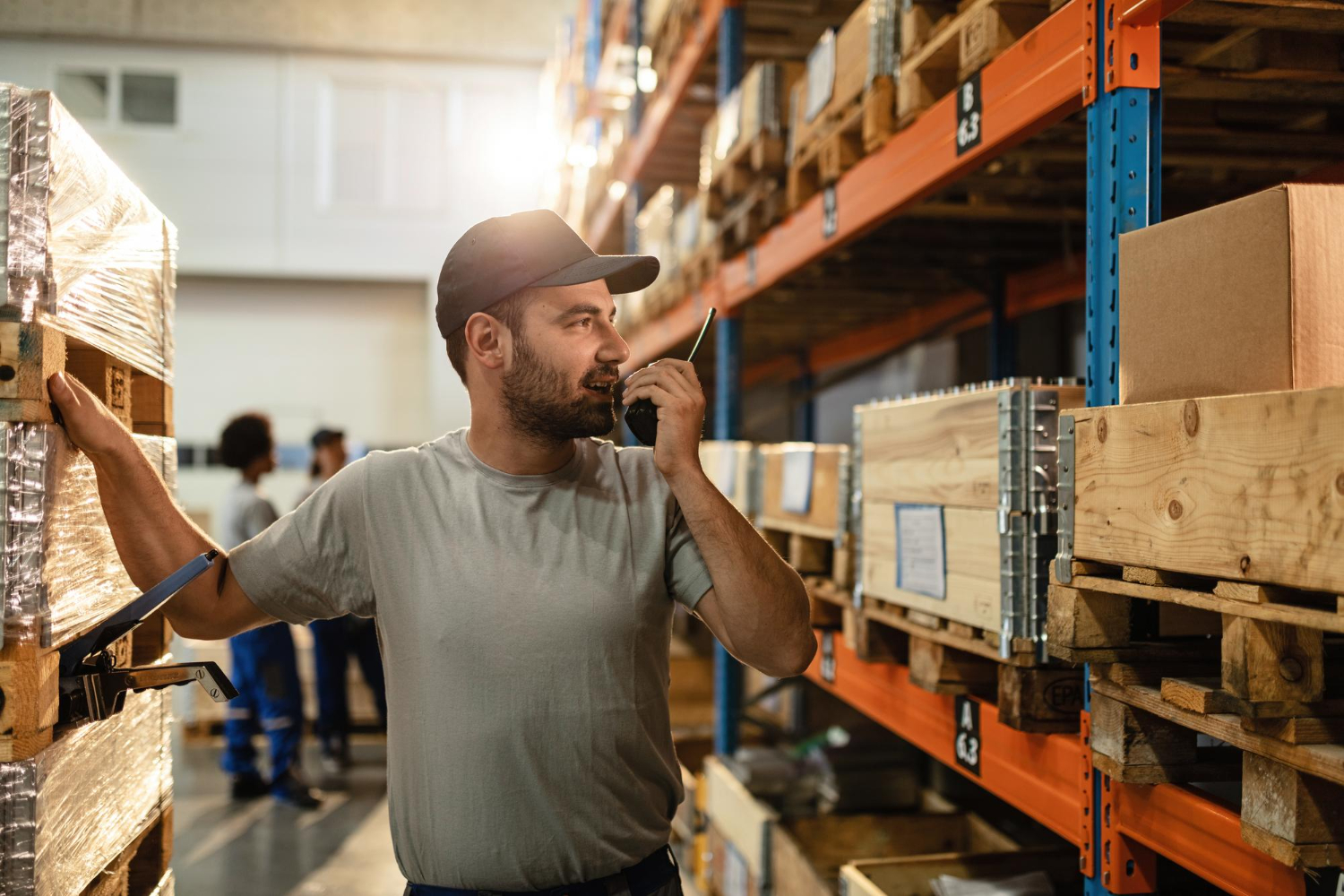
Shortly after the SAP EWM go-live, operations faced disruptions: shipment volumes dropped, and goods accumulated in the warehouse shipping area.
An international team of SAP EWM consultants (including ACBaltica) managed to restore the warehouse's operational stability and bring performance back to expected levels.
Project Overview
-
Location: Netherlands
-
Solution: SAP Extended Warehouse Management
-
Project phase: Post go-live stabilization
-
Environment: High-volume packing and distribution warehouse
-
Team: 50+ SAP EWM consultants from different countries (France, Germany, Belgium, Ireland, Serbia, Hungary, and more)
-
ACBaltica role: On-site Level 0 support
Customer
An international life sciences company operating globally within complex logistics processes and strict regulatory requirements.
As part of its expansion, the company launched a new warehouse designed as a high-volume packing and distribution hub.
Challenge
The company had already implemented SAP EWM in other locations. However, the new warehouse introduced an alternative operational model. This site functioned as a large-scale packing station, where goods were:
-
packed and repacked for different markets
-
labeled according to country-specific regulations
-
prepared with customized documentation depending on the destination
Some of these operations were highly automatedб for example:
-
AutoStore storage,
-
material handling via conveyor belts,
-
cardboard packaging production,
-
and more.
This created significant variability and strict process requirements across different locations.
What went wrong after go-live
After go-live, operations did not stabilize as expected:
-
Shipment volumes dropped – the warehouse could not maintain the planned throughput.
-
Goods could not be dispatched – handling units (i.e. any packaging item: plastic box, pallet, etc.) reached the final stages but could not proceed further.
-
Backlog accumulated – hundreds of boxes were stuck in different warehouse zones
Each blocked item demanded immediate manual investigation. Frequently, users could not establish:
-
What caused the issue
-
What action was required
-
Who was responsible
At the same time, a lack of clear visibility into root causes complicated troubleshooting. Issues could originate from:
-
process design gaps
-
system or configuration issues
-
knowledge gaps and lack of training
Additional complexity
-
Limited time allocated for testing and user training before go-live
-
Around 30% of the functionality was not fully tested
-
24/7 warehouse operations with continuous processing
-
Integration with third-party logistics (3PL) operations within the same system
Solution
To restore daily operations, an international team of SAP EWM consultants was deployed on-site.
An ACBaltica consultant joined the project as part of this team, providing Level 0 (on-site) support, working directly with warehouse users in real time.
Consultants targeted not just immediate resolution, but also root cause identification and preventative action. They also provided suggestions on process optimization – all based on real-life scenarios.
Real-time operational support
Consultants were assigned to specific warehouse zones (packing, shipping, exception handling, etc.) and:
-
fixed issues directly during operations
-
guided users in handling system processes correctly
-
provided workarounds or escalated issues when needed
This ensured continuity of operations while problems were being addressed.
Backlog clearance
To process accumulated goods and unsent shipments, the team of SAP EWM consultants introduced an issue recovery flow:
-
each box was analyzed individually
-
appropriate actions were defined (reprocess, redirect, inspect)
-
data inconsistencies were corrected in the system
At the same time, all cases were documented to find recurring patterns.
Root cause analysis
All issues were grouped into three categories:
-
User-related – lack of training, incorrect actions, unclear responsibilities
-
Process-related – gaps in process design, incorrect sequencing, missing controls
-
System-related – inconsistencies in system configuration or custom development issues
The team of SAP EWM consultants categorized the discovered issues and found ways to fix them, thus avoiding the same issues in the future. This helped to shift from reactive issue handling to implementing structured improvements.
Support model
A clear support structure was established:
-
Level 0: on-site issue resolution
-
Level 1–3: ticket-based support for system corrections and enhancements
This improved response times and coordination across different teams.
Knowledge transfer and stabilization
-
the system users were trained directly during operations and gained the knowledge they lacked previously
-
recurring issues were reduced
-
responsibilities became clearly defined
Results and benefits
-
Restored shipment flow – warehouse operations returned to expected volumes
-
Backlog eliminated – accumulated goods were processed and cleared
-
Reduced recurring issues – root causes were identified and addressed
-
Improved knowledge of the system – users were able to handle real-life scenarios independently
-
Sustainable operations – reduced dependence on external support
Consequently, by the end of the stabilization phase, the number of external consultants was significantly reduced.
-
Each warehouse zone had clear ownership
-
Operations became stable and predictable
Why choose ACBaltica for the post-go-live SAP EWM support
-
Hands-on SAP EWM expertise across implementation, go-live, and system stabilization
-
Strong focus on real operations, not just system configuration
-
Experience in complex warehouse environments, including high-volume and multi-country processes, warehouse automation, and more
-
Ability to support critical project phases, including post-go-live recovery
Key takeaways
-
Testing should be thorough – cutting corners can lead to costly post-go-live support, reduced shipment volumes, reputational risks, and months of stabilization efforts.
-
Testing should include real-life functional scenarios.
-
User training must be practical and continuous.
-
Complex logistics require clear exception handling processes.
-
On-site support is critical during go-live and stabilization.
-
Stabilization calls for not only fixing issues, but also preventing their recurrence.
Have any questions? We will help!
USA:
+1 332 239-4557
Europe:
+370 6 610-23-92